V8 Spider or V6 plug-in hybrid?
The F8 Spider uses a twin-turbo V8 rated by Ferrari at 720 cv. The 296 GTS combines a 2,992 cc turbocharged V6 with a plug-in hybrid system; Ferrari quotes 830 cv of total system output. These are manufacturer figures in cv, and the 296’s total includes electric assistance. Comparing the numbers without identifying what they measure misses the important architectural difference. Sources: Ferrari F8 Spider launch specifications and Ferrari 296 GTS technical specifications.
If a V8 is central to what you want from an open-top Ferrari, the F8 answers that preference directly. If you are interested in a hybrid Ferrari and its additional operating modes, the 296 deserves a closer look. Power alone cannot tell you which cabin, controls or driving experience you will prefer, and it cannot establish the condition of a used example.
Compare both with the roof open and closed
Both models use retractable hardtops. Ferrari quotes 14 seconds for operation at speeds of up to 45 km/h for each. Those are factory operating figures, not a reason to rush a demonstration: have the team show the full cycle safely with the car stationary, observing the mechanism, seals and the cabin with the roof in each position. The F8 release and 296 GTS release describe the roof systems.
For Dubai use, spend as much time seated with the roof closed as open. Assess seat adjustment, visibility, the position of the controls and cabin cooling during the viewing. A roof-down photograph explains the appeal, but it does not show whether the car suits your usual journeys. Bring the small bags you normally carry and establish where they fit without interfering with the roof mechanism.
Current examples in the collection
This section follows the website’s latest inventory update. Open each listing for its current asking price, photographs and status; confirm availability before travelling.
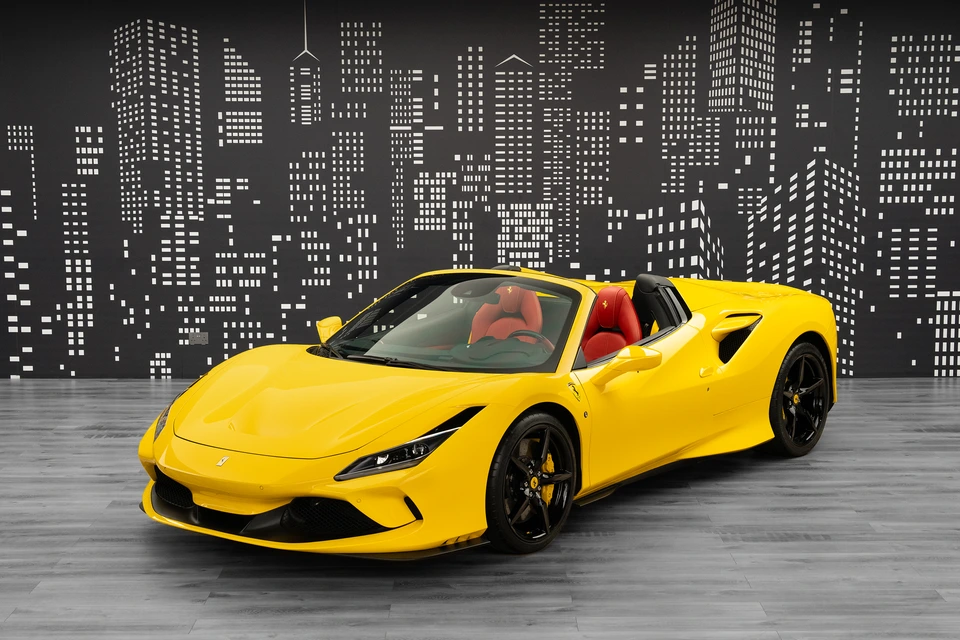
- 2021 F8 Spider, Giallo Modena yellow / Black
2021 · 4,000 km · Regional specification: confirm with showroom - 2022 F8 Spider, Rosso Corsa red / Red
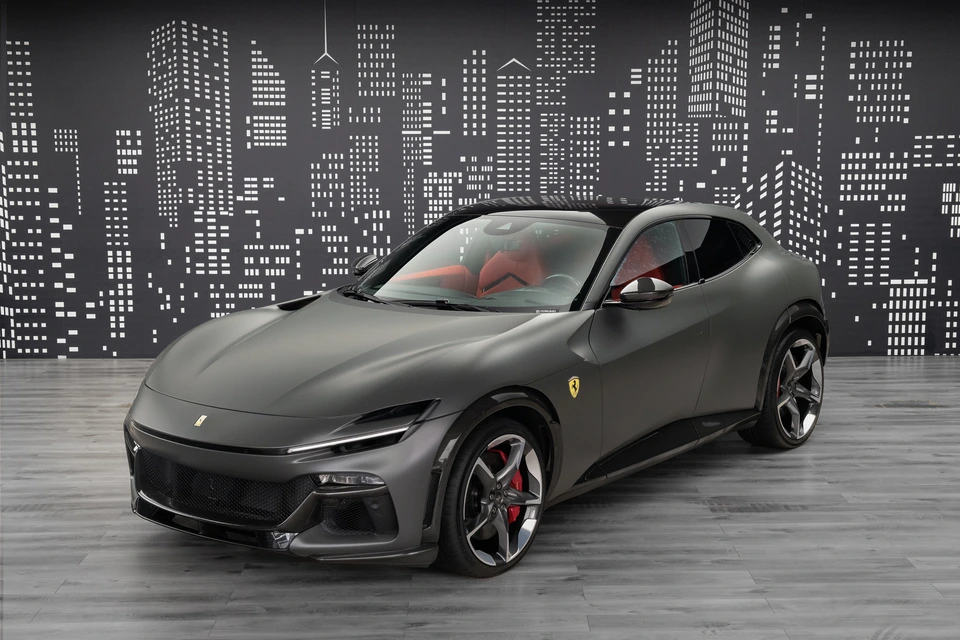
2022 · 1,000 km · Regional specification: confirm with showroom - 2024 296 GTS, Matte black / Orange
2024 · 400 km · GCC Specs - 2021 F8 Spider, Yellow / Red
2021 · 6,000 km · Regional specification: confirm with showroom - 2025 296 GTS, Black / Red
2025 · 700 km · Regional specification: confirm with showroom - 2024 296 GTS, Atelier, Yellow / Blue
2024 · 1,400 km · Regional specification: confirm with showroom - 2023 F8 Spider, Yellow / Blue
2023 · 7,300 km · Regional specification: confirm with showroom - 2025 296 GTS, Grey / Orange
2025 · 200 km · GCC Specs
The 296 adds a charging conversation
Ferrari quotes a 25 km electric-mode range for the 296 GTS in its launch material. Treat that as a manufacturer reference, not a promised range for a particular used car in your conditions. It is useful because it explains why charging equipment and high-voltage system checks belong in a 296 viewing.
Ask to see the charging accessories included with the actual car, identify what supply they require and discuss whether your parking arrangement can support the intended charging setup. Have a suitable specialist assess the hybrid system and explain any diagnostic findings. Documentation about remaining vehicle cover should not be assumed to answer every battery-related question.
The F8 does not have this plug-in hybrid system, so the shortlist can centre on its V8, transmission, roof, chassis and service history without a traction-battery charging setup. That difference alone does not establish lower running costs or better reliability. An inspection and the individual records are needed before making either claim.
Use the collection to make a like-for-like shortlist
Open the current Ferrari collection and use the available examples above to compare F8 Spider and 296 GTS cars. Compare cabin treatment, wheel finish, roof views and recorded use; a newer model year does not automatically mean lower mileage. Keep each listing’s full link with your notes so similar colours do not lead to confusion.
Check the build information behind special trim or Atelier descriptions. Decide which details you value before treating every example as interchangeable. The useful price comparison includes regional specification, mileage, documented equipment, condition and the terms attached to the individual car.
Turn attractive details into precise questions
For both models, start with the items you can see in the original photographs: seats, steering-wheel trim, wheels, interior finish and roof configuration. Then compare those observations with the build specification. Carbon-fibre trim and a special colour combination should be described accurately; they do not establish a performance package or factory provenance by appearance alone.
If an advert names a service contract, distinguish scheduled maintenance coverage from a vehicle warranty. Ask who provides it, what remains and whether it transfers. Where a listing leaves regional specification unresolved, keep that field open until the documentation answers it. Do not fill the gap by borrowing the specification from another car with the same model name.
An inspection should address the exact car’s history and systems. For an F8, include the engine, transmission and roof in that discussion; for a 296, add the hybrid system and charging equipment. Record unresolved findings beside the asking price so the shortlist captures the work still needed, not just the most appealing photographs.
Choose the comparison that matches your priorities
Put the F8 first if the V8 configuration is your main reason for buying, then compare the actual F8 examples on cabin, history and condition. Put the 296 first if its hybrid layout interests you and you are prepared to assess the charging and high-voltage details properly. If you are undecided, arrange to see one of each rather than trying to resolve every preference from a specification sheet.
Send Premium Motors the two listing links and explain the decision you want to make: V8 versus hybrid, a particular interior, or how the roof and cabin fit your routine. Explore the current Ferrari collection and use the Ferrari buying guide for the broader history and inspection framework. If you need rear seats, the Purosangue comparison guide addresses a different requirement.
Your questions, considered.
Which has more manufacturer-rated power?
Ferrari quotes 720 cv for the F8 Spider and 830 cv total system output for the 296 GTS. The latter includes electric assistance; neither figure establishes the condition of an individual used car.
Does an F8 Spider need traction-battery charging?
No. Its twin-turbo V8 does not use the 296 GTS’s plug-in hybrid system. The 296 therefore adds questions about charging accessories and high-voltage system condition.
Should I choose by the lower asking price?
Compare the exact cars first. Regional specification, mileage, equipment, records and inspection findings can explain differences that model names alone do not.
Continue your research
Compare the cars in person.
Send the exact listing links and tell us what you would like to compare. Confirm availability and arrange a showroom viewing.
Explore the Ferrari collectionManufacturer references describe standard model specifications. Individual equipment, condition and any remaining cover must be established for the specific car. This guide does not replace an inspection.